I enjoyed a lovely, sunny trip to Cadbury Castle recently. It’s like a mini Maiden Castle (in Dorset) for those who have been. If you’re taking little people it’s no more than a 10 minute ascent, which is fine for little legs, although you will likely need to explain that there is no chocolate and no remaining castle! The castle is located in the quaint village of South Cadbury, which has a handy free car park too near the castle. Once parked, turn right and walk along the road you will see the castle signposted.
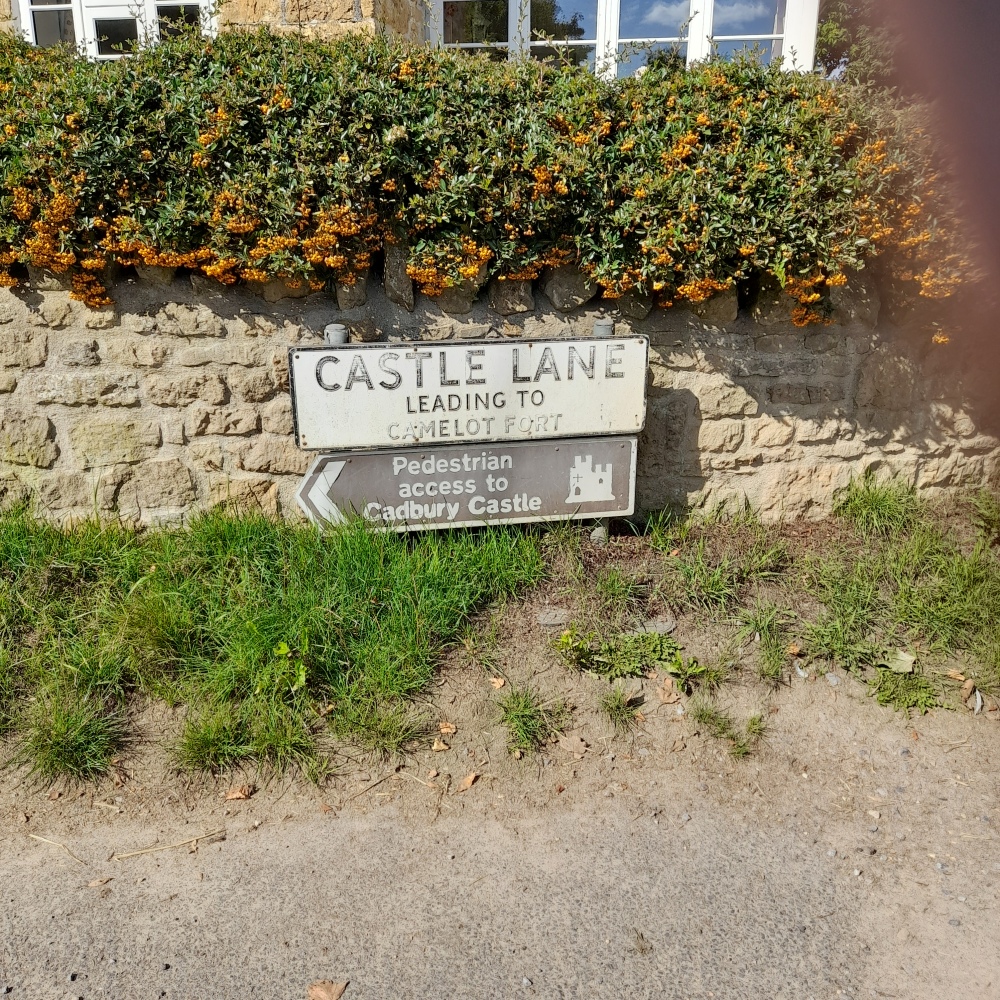
There are a couple of helpful information signs which will satisfy the history geeks. I’ve basically summarised the information here and supplemented it with some reputable online sources.
The history of Cadbury Castle spans from the Neolithic age (4,300 BC to 2000 BC) to the early 11th century; Cadbury Castle was a military stronghold, centre of trade and culture and notably the focus of a religious cult! By the early 16th century, folklore associated it with Camelot of Arthurian Romance. You get a real sense of the tribal nature of Britian from this history, a land of invasions…
It was originally a modest Bronze age (2,500 BC – 700 BC) settlement on the hill summit, and grew during the Iron Age (750 BC – 43 AD) into a spectacular hill fort town, bustling with trade, craft and religious worship. It was likely a capital of the Durotriges, a Celtic tribe occupying an area that equates with modern Dorset, together with significant parts of southern Wiltshire and south eastern Somerset. Dwellings within ramparts were of wood, wattle and woven sticks.
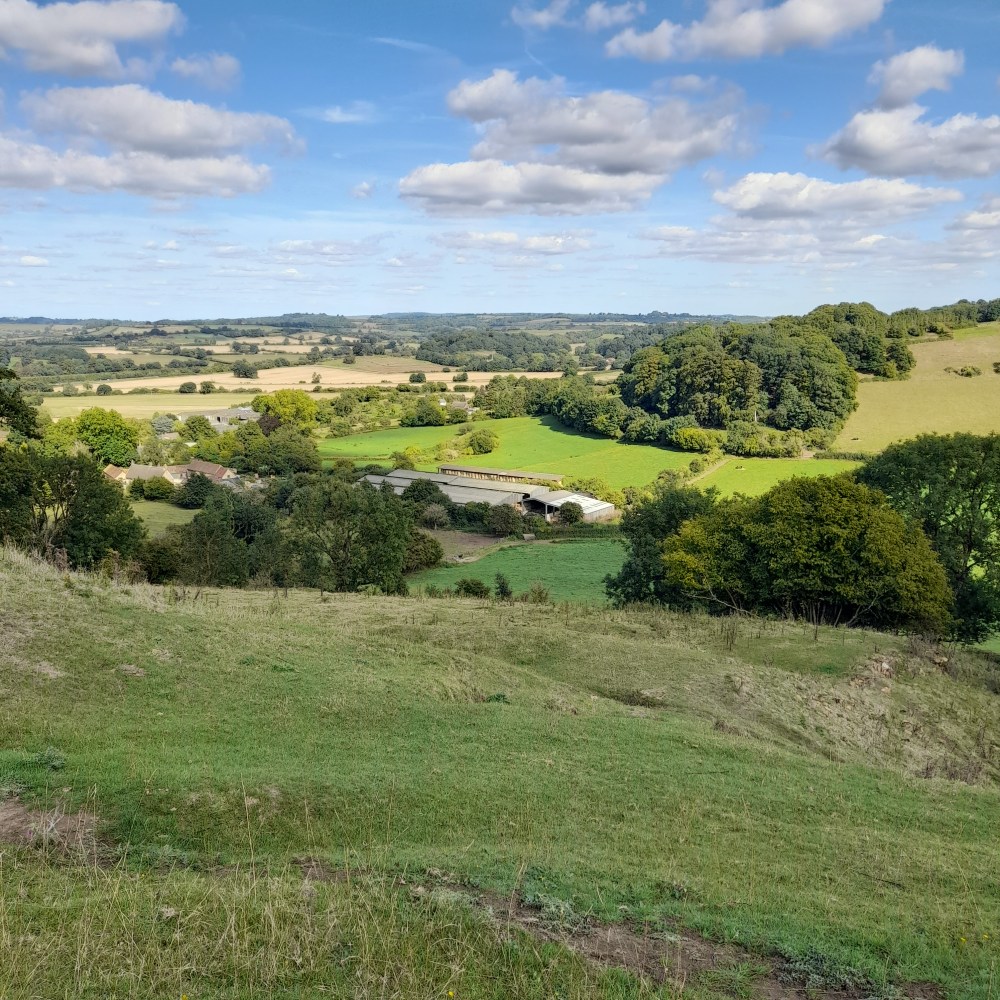
It was left alone by the Roman government initially, however it was forcibly cleared around 70 AD with some inhabitants fleeing to other settlements while some sadly lost their lives.
People returned to the site towards the end of the Roman period (40 AD – 410 AD). By 500 AD the hill top had been fortified with defences of timber and dry stone walling and a new south west gate in solid rock. There was a large, aisled timber hall, this and precious pottery from the East Mediterranean indicate wealth, sophistication and a highly organised military society.
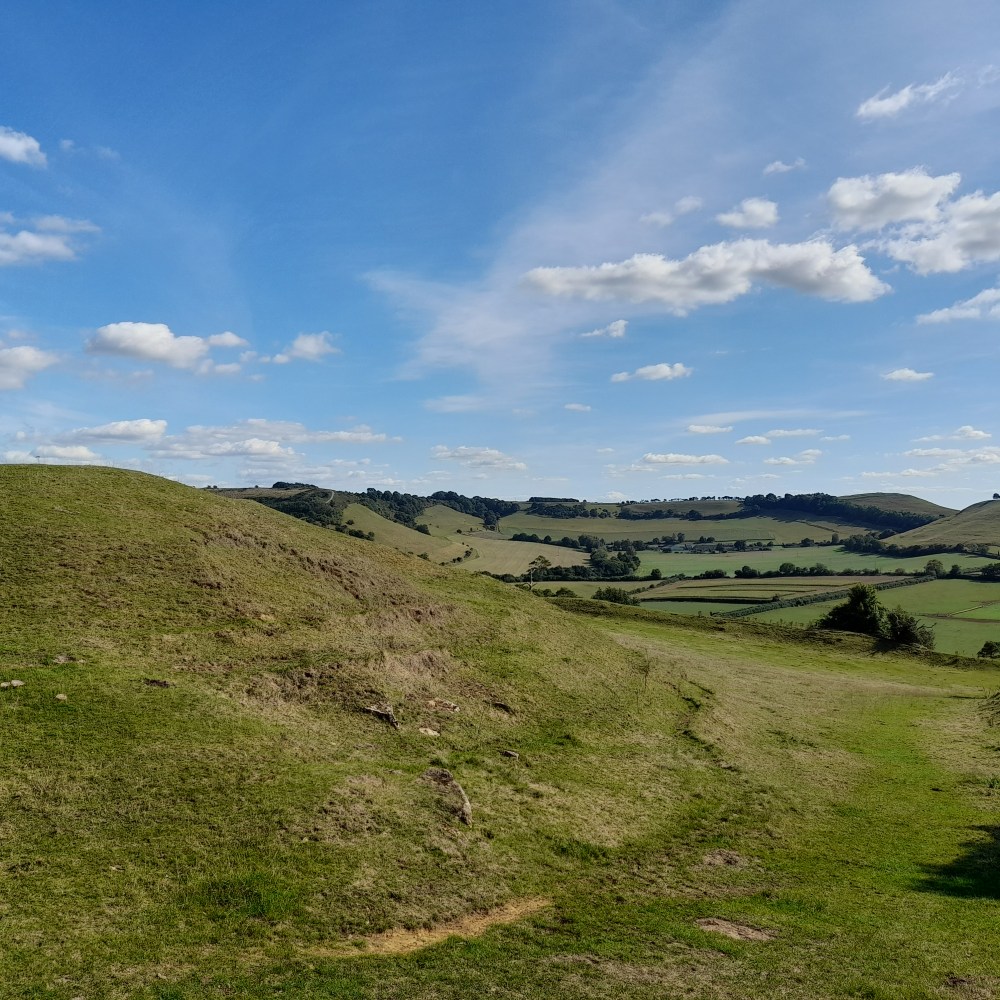
Celtic tradition later tells of a series of battles against the invading Saxons under the command of a figure called Arthur Cadbury. In 1542, the English poet and antiquary Leland was the first to record the tradition identifying the hillfort of Cadbury Castle as Arthur’s Camelot:
At the very south ende of the chirch of South-Cadbyri standeth Camallate, sumtyme a famose toun or castelle, apon a very torre or hille, wunderfully enstregnthenid of nature…. The people can telle nothing ther but that they have hard say that Arture much resortid to Camalat.[34]
The hill top was once again used as an emergency administrative and commercial centre during the threat of Viking invasion during the reign of King Ethelred the Unready. Coins were minted at CADANBYRIC between about 1009-1019 amongst safe new defences, and soon after the mint returned to its original home in Ilchester. The construction of a church may well have begun but ramparts were again destroyed. Today there is no visible construction on the site, but the landscape is so steeped in mythology and the history it is a magical place and worth a visit.
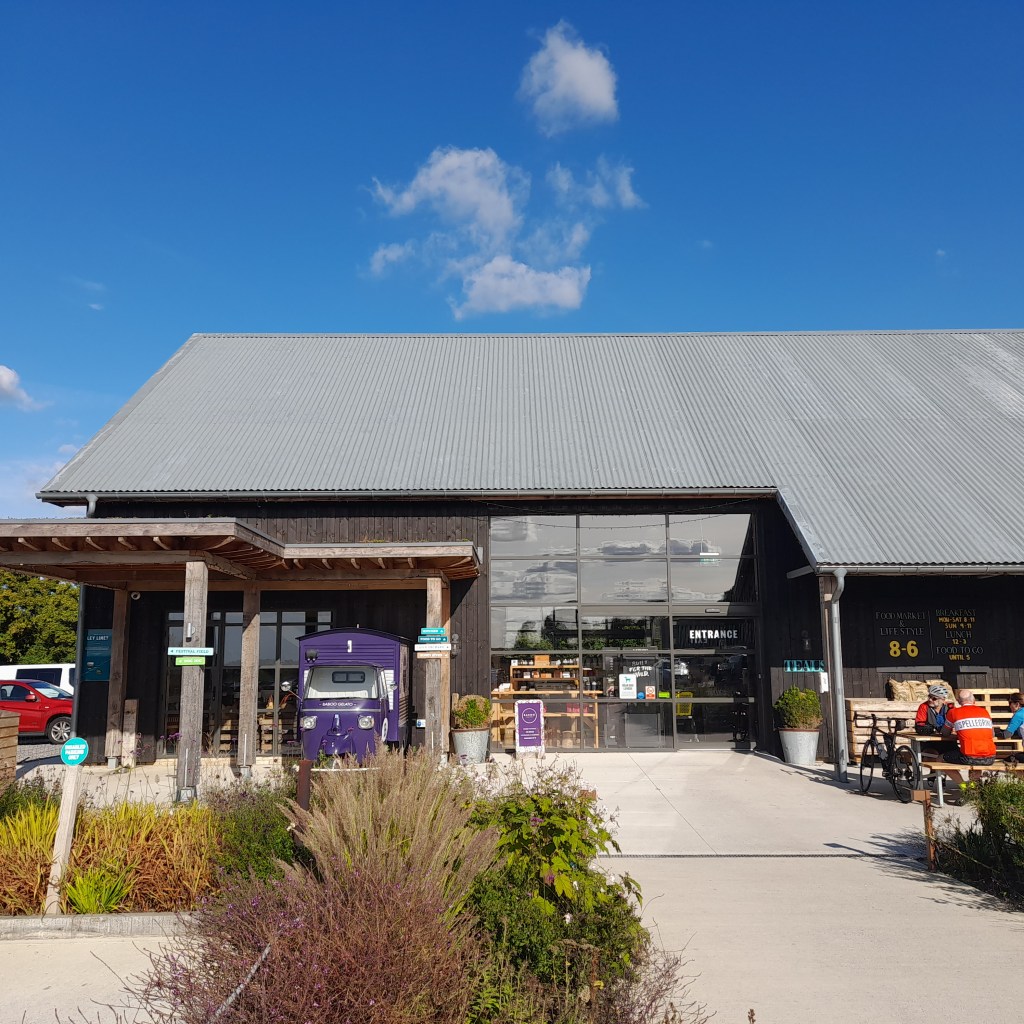
I also wanted to mention Teals, a local farm shop with orchard and coffee shop which makes a great stop off.
 Somerset Soul